
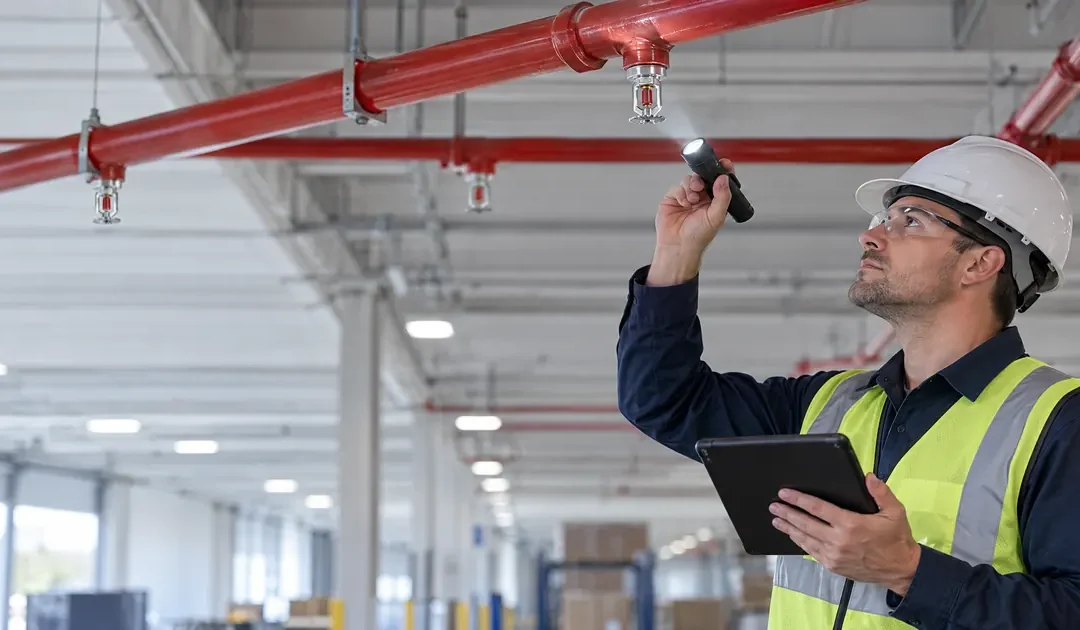
When a fire sprinkler system is properly installed in a building, most people stop thinking about it. It sits overhead, quietly doing nothing visible, and the assumption becomes that it will simply keep working indefinitely. But a fire sprinkler system is made up of multiple components with different materials, different exposure conditions, and different lifespans. Knowing how long a sprinkler system lasts is not just a philosophical question. It is a practical planning tool for every building owner, property manager, and developer who wants to stay ahead of maintenance costs and avoid system failures.
The answer depends on which part of the system you are asking about and what conditions it has been operating in. Some components can last 50 years or more with proper maintenance. Others need testing or replacement far sooner. This guide walks through the realistic lifespan of every major component in a fire sprinkler system so you can plan proactively rather than react to problems after they develop.
The Big Picture: What Determines System Lifespan
The question about sprinkler system life expectancy does not have one universal answer because fire sprinkler systems are not monolithic. The piping, the sprinkler heads, the control valves, and the gauges all have different expected service lives. Environmental factors like water quality, humidity, temperature cycling, and the presence of industrial contaminants can shorten those lifespans considerably. Consistent professional maintenance under NFPA 25 is the single most reliable way to maximize every component’s useful life.
Steel and Copper Piping: The Long Game
The piping infrastructure of a fire sprinkler system is typically the longest-lasting component. Steel or copper pipes that are properly installed and maintained can last 40 to 70 years or longer under favorable conditions. In practice, building owners and facility managers commonly expect the core piping to last 40 to 50 years, and well-maintained wet pipe systems do regularly reach that range.
Wet pipe systems generally outperform dry pipe systems in lifespan. The pressurized air in dry pipe systems contains oxygen, which accelerates internal corrosion of the metal pipe walls. This is why wet pipe systems typically last 15 to 25 years before corrosion-related problems emerge, while dry pipe systems may begin developing leaks and failures in 8 to 12 years if corrective measures like nitrogen inerting are not in place. Understanding these differences is central to answering how long a sprinkler system lasts for any specific installation.
Sprinkler Heads: Longer Than You Might Think
Sprinkler heads are surprisingly durable, and the NFPA 25 testing schedule reflects that. Standard response sprinkler heads in non-corrosive environments are designed to last up to 50 years before they require sample testing or replacement. Quick-response and fast-response heads require testing at the 20- to 25-year mark, with subsequent retesting every 10 years after that.
However, certain special-use heads have significantly shorter service expectations. Dry pendent sprinklers, which are used in unheated areas and have the sprinkler body inside the pipe while the head is exposed to cold, require testing or replacement on a 10-year cycle because of the elevated stress they experience. Corrosion-resistant and lead-coated heads also fall into the 10- to 20-year replacement window depending on the environment.
After the 75-year mark, all sprinkler heads still in service require testing or replacement on a five-year cycle, regardless of type. For most California properties that have been sprinklered since the 2011 residential mandate, the 50-year mark for the first testing cycle is still decades away, but understanding how long a sprinkler system lasts in terms of head replacement helps you build realistic long-term budgets.
Control Valves and Gauges
Control valves and check valves have a shorter expected service life than piping. Industry guidance typically puts these components in the 15 to 25 year range before replacement becomes advisable, depending on the type of valve, how frequently it has been exercised, and the quality of the original installation.
Pressure gauges are subject to specific NFPA 25 requirements that make their replacement schedule precise. NFPA 25 Section 13.2.5.2 requires that gauges be tested or replaced every five years. If a gauge tested against a calibrated reference gauge reads outside the acceptable range of accuracy, typically within three percent, it must be recalibrated or replaced. Gauges that drift out of calibration give false readings and can mask developing system problems, which is exactly why NFPA mandates this five-year verification cycle.
What Shortens a System’s Life
Two factors can dramatically reduce how long a sprinkler should run below its theoretical maximum. The first is corrosion. Oxygen in the water and trapped air inside the pipes react with steel over time, creating rust, scale buildup, and eventually pitting that leads to leaks. Buildings with poor water quality or systems in high-humidity environments are particularly at risk. The second factor is deferred maintenance. Systems that miss annual inspections accumulate undetected deficiencies that compound over time, accelerating degradation and reducing the system’s operational reliability.
Invest in Maintenance to Maximize Your System’s Life
Understanding how long a sprinkler system lasts makes clear that the answer is largely in your hands. A properly maintained system with regular NFPA 25 inspections, prompt deficiency correction, and appropriate corrosion control measures can serve a building for multiple decades. A neglected one can fail in a fraction of that time.
Freedom Fire Protection provides professional fire sprinkler inspection and maintenance services for residential and commercial properties throughout Northern California. Our licensed team keeps your system in peak condition and helps you plan proactively for the long term.
Contact us today to get your system on the right maintenance schedule.