
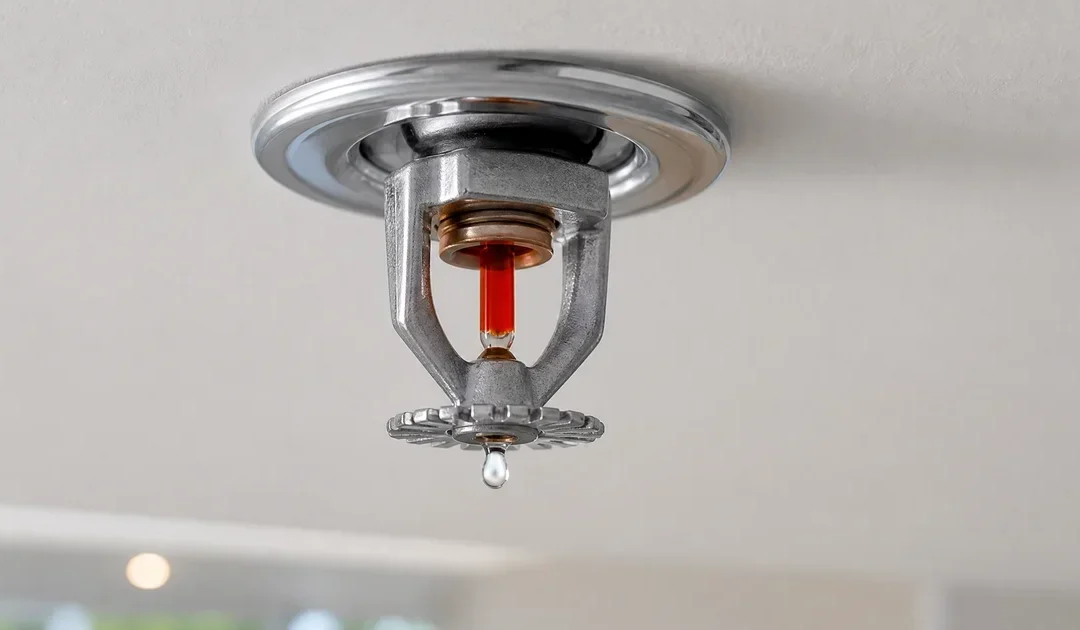
You notice it one afternoon: a small drip from the ceiling. You look up and realize the water is coming from your fire sprinkler head. Your first instinct might be to grab a towel or ignore it and see if it stops. But here is the truth: a leaking fire sprinkler head is not something you wait out. It is a sign that something in your fire protection system needs immediate attention, and acting quickly can save you from far more significant water damage down the line.
Understanding why a fire sprinkler leak happens and what to do about it will help you respond with confidence instead of panic. This guide from Freedom Fire Protection walks you through the common causes of fire sprinkler leaking water, the immediate steps you should take, and when you absolutely need to call a licensed professional.
Why Is Your Fire Sprinkler Head Leaking?
There are several reasons a sprinkler head can develop a leak, and knowing which one applies to your situation helps determine the right fix.
Corrosion
It is the leading culprit in most sprinkler system leaking situations. Over time, moisture inside the pipes reacts with the metal, creating rust and small holes or cracks. Older systems or those in environments with high humidity are especially vulnerable. Oxygen corrosion, where dissolved oxygen in the water reacts with steel pipe walls, is one of the most common and damaging forms. There is also Microbiologically Influenced Corrosion (MIC), where bacteria create acids and sulfides that eat away at pipe walls, leading to pitting and eventual leaks. A professional fire sprinkler inspection can catch these issues before they become expensive problems.
Physical Damage
It is another frequent cause. A sprinkler head that has been bumped, struck by a ladder, hit during moving furniture, or accidentally knocked during renovation work can develop a crack or dislodge its seal. Even a minor impact can compromise the head.
Manufacturing Defects
It occasionally causes a leaking fire sprinkler head even in newer systems. Faulty seals, weak fittings, or improperly formed connections can fail without any external cause.
Extreme Temperature
The exposure can cause pipe sections to freeze and crack in cold months, which only becomes apparent as a fire sprinkler leak once temperatures rise and ice melts. California properties with unheated attics or garages are particularly susceptible.
What To Do Immediately When You Spot A Leak
The moment you discover a fire sprinkler leaking water in your home, take these steps in order:
Stop The Water Flow
Locate the main shutoff valve for your fire sprinkler system and close it to stop water from continuing to flow. Do not try to fix the head while water is actively running. Your main valve is typically located near the riser assembly, often in a utility room, garage, or basement.
Contain The Damage
Place buckets or towels to collect dripping water and move any furniture or valuables out of the affected area. Document everything with photos before cleaning up, especially if you plan to file an insurance claim.
Do Not Attempt To Repair The Sprinkler Head Yourself
This is an important one. Fire sprinkler heads are precision components that must be replaced and tested by a licensed fire protection professional. Replacing a sprinkler head with the wrong type or incorrect temperature rating compromises your entire systems reliability. In California, fire sprinkler work must be performed by a licensed C-16 Fire Protection Contractor.
Call A Licensed Fire Protection Company
Once the water is contained, contact a qualified professional to assess the leak, identify the cause, replace the damaged component, and perform the required pressure test before returning the system to service. Freedom Fire Protection specializes in fire sprinkler repair throughout Northern California.
Can You Prevent Future Leaks?
Preventing a leaking fire sprinkler head before it happens is far easier and less expensive than dealing with water damage after the fact. The most effective preventive measures include scheduling regular NFPA 25 inspections, maintaining proper insulation around pipes in exposed areas, monitoring for early signs of corrosion during annual inspections, and addressing any system modifications promptly with a licensed contractor. You can review the full inspection schedule for sprinkler systems to stay compliant.
For dry pipe systems, nitrogen inerting is an excellent long-term corrosion prevention method. By displacing oxygen in the piping with nitrogen, the conditions that cause rust and metal degradation are eliminated almost entirely.
Do Not Leave A Sprinkler Leak Unresolved
A leaking fire sprinkler head is not just a water damage issue. It is a fire safety issue. A system that is losing water pressure or has a damaged component may not function correctly in an actual fire. Getting it repaired by a professional protects both your property and everyone in it.
If you are dealing with a fire sprinkler leak or any concern about your systems performance, contact Freedom Fire Protection today for prompt, expert service.